When Afghanistan and Bangladesh face off in the 1st T20I of their 2025 series, fans can expect fireworks. These two sides might not always get the limelight like India or Australia, but whenever they clash, the cricket is anything but dull. This time, the focus is firmly on the batters—those who can turn a tight contest into a one-sided show with just a few overs of brilliance. Whether it’s experience, flair, or consistency, both teams have players who can flip the script in their own style. Let’s dive into three names you’ll want to keep an eye on when the first ball is bowled.
Saif Hassan: BAN
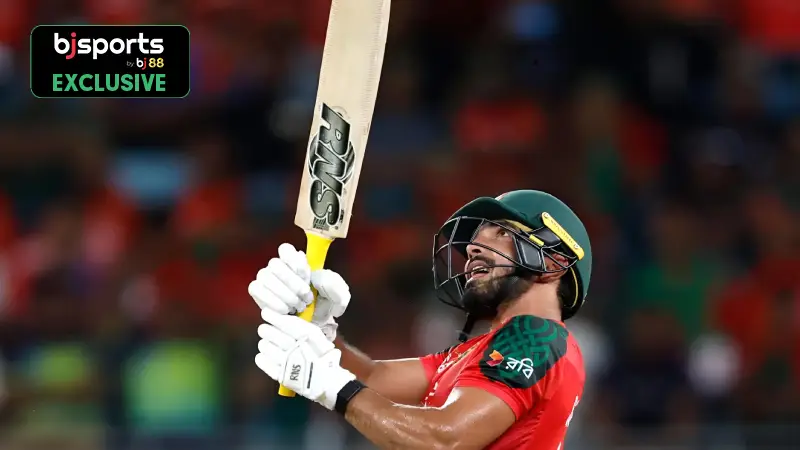
In the context of what is an uncontrollable position for chaos, Saif Hassan offers the opposite. In 11 matches, he has produced 278 runs with a fairly average average of 30.88, which is admittedly not particularly impressive. However, the figures reflect a batter that can stabilize and hold down an innings. He even has a strike rate of 120.86; so he is, at least not just in first gear, and while he may only hit a loose ball, he can also rotate strike when his team needs runs. Saif had the ideal opportunity to be a stabilizing presence in the innings for Bangladesh, given their top-order batters have widely struggled two or three times in one innings.
Tanzid Hasan: BAN
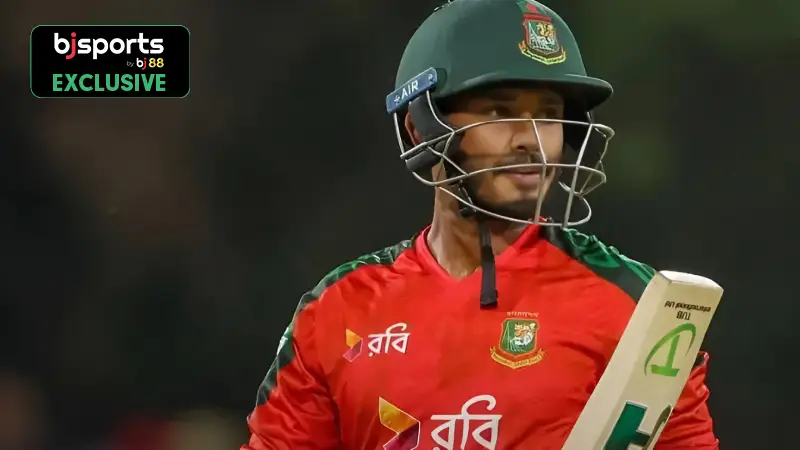
If Saif Hassan is the glue, Tanzid Hasan is the spark. Tanzid scored 805 runs in 36 matches at a strike rate of 127.33. Tanzid is the modern-day T20 opener who puts bowlers under pressure from ball one. Yes, the average of 25.15 says he has not been able to convert starts to major scores, but when he gets going, it does not take him long to hit another gear. For Bangladesh, he has one mandate, which is to make sure the opposition does not settle in, whether it be through hitting boundaries in the powerplay or disturbing the spinner by hitting different strokes.
Mohammad Nabi: AFG
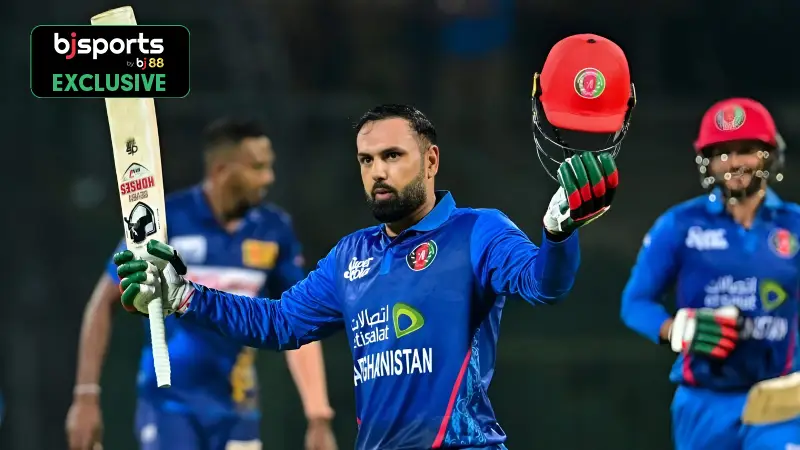
At all of 40 years old, Mohammad Nabi is still holding age and the cool of the cricket world at arm’s length. The numbers speak for themselves for T20 cricket, 2357 runs from 130 matches at a strike rate of 136.55, that is simply longevity, but also significance. Unlike Saif or Tanzid, it is not about nursing his innings, characteristically speaking. It’s about utter devastation. If you happen to walk him in at 100/4 after 15, Nabi will take Afghanistan – if it’s in his hands – to 170, instead of 140 runs. I think containing Nabi is clearly number 1, 2, and 3 priorities for Bangladesh in the death overs, because from this point, if Nabi is getting no-balled, you are fighting an uphill battle.
Saif Hassan’s stability, Tanzid Hasan’s fireworks, and Mohammad Nabi’s finishing prowess are a few examples of the contrasts that capture our interest. Will Bangladesh’s stability prove to be stronger than Afghanistan’s exuberance? Or will Nabi remind the world what experience means in a youth-dominated format?
FAQs
1: Why is Saif Hassan important for Bangladesh in T20Is?
He provides stability at the top with his ability to anchor the innings.
2: What makes Tanzid Hasan a key batter to watch?
His aggressive approach in the power play can set the tone for Bangladesh.
3: How does Mohammad Nabi impact Afghanistan’s batting?
Nabi’s finishing ability adds quick runs and momentum in the death overs.
Disclaimer: This Exclusive News is based on the author’s understanding, analysis, and instinct. As you review this information, consider the points mentioned and form your own conclusions.
 Predicted Playing XI of Sri Lanka in 2nd T20I against England
 Predicted Playing XI of England in 2nd T20I against Sri Lanka
 Top 3 player battles to watch out for in Match 35 of CPL 2026 between Barbados Tridents and Guyana Amazon Warriors
 Top 3 bowlers to watch out for in Match 35 of CPL 2026 between Barbados Tridents and Guyana Amazon Warriors